
HUSARCH Conversations: How Energy Efficiency can impact Public Housing
A Conversation with Chyanne Husar, Shawn Bodmann, and Mel Amoroso-Pohl
by Chyanne Husar
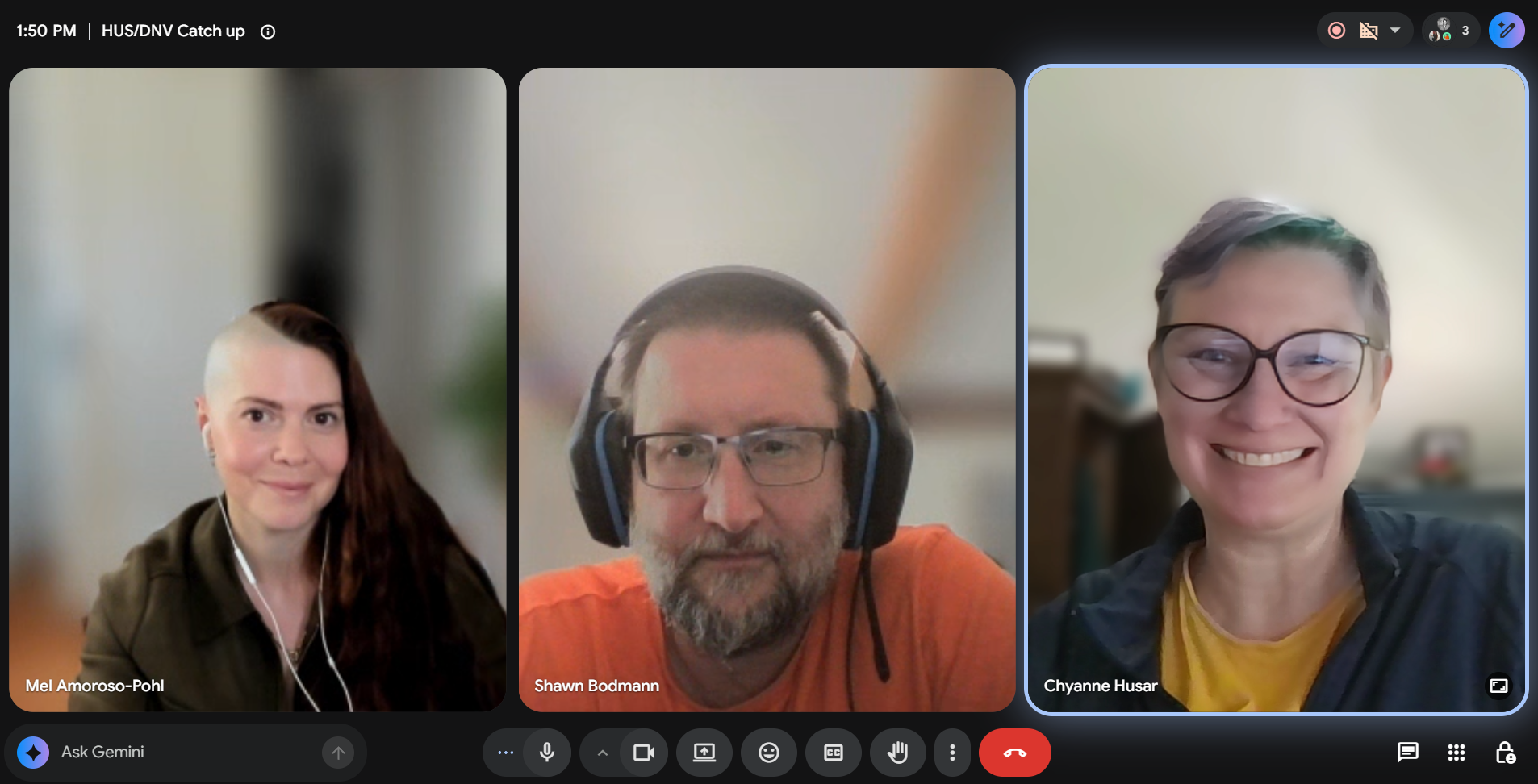
The Conversation in Action! With Mel, Shawn, and Chyanne (Left to Right)
I have been having regular monthly chats with Shawn Bodmann, Principal Consultant; and Mel Amoroso-Pohl, Sr Consultant, from DNV’s Energy and Climate Equity Team regarding general energy trends, how we can build better efficiency programs, and looking for ways to work together through implementation and evaluation services. Since I’ll be attending the PHADA (The Public Housing Authorities Directors Association) Conference next week, we decided to focus this conversation on how utility sponsored energy programs can best serve Public Housing Authorities and their populations.
First, we’d like to recognize that every state probably does public housing differently, as every state does energy efficiency differently. Shawn’s experience is mostly focused in Massachusetts, while my history is primarily with CHA (Chicago Housing Authority) with some experience across Illinois, Indiana, and now NYCHA (New York City Housing Authority). We most often see energy efficiency programs are established for broad affordable housing solutions which public housing agencies then qualify for. This is the case with ComEd’s Affordable Housing, New Construction program and the Cook County/Elevate Healthy Homes programs for instance. Shawn points out that “utility companies have an incentive to work with housing authorities because you can serve a big energy load with one administrative point - it becomes much more cost effective.”
A key point to be aware of is that many state driven utility programs are regulated to require a certain percentage of affordable, or “Income Eligible”, properties be included within assistance programs. If your state does not have these requirements, it might be something worth advocating for. Additionally, many programs, Healthy Homes included, were based on federal funding such as the American Rescue Plan Act or LIHEAP (Low Income Home Energy Assistance Program). Many of these programs have shifting priorities through the changing political landscape (be sure to check open enrollment status when applying).
Impact to residents and PHAs
Climate change is disproportionately impacting low-income communities and communities of color around the world. Mel points out: “it’s important to make sure that we’re framing energy efficiency programs and outreach in a way that’s really accessible and inclusive to meet the needs of these individuals.” Depending on the program and the situation, rebates and savings can go directly to the resident’s utility bill or be compounded across central systems to be used by the housing authority itself.
Oftentimes we find that there are barriers to accessing energy efficiency program funding due to health and safety concerns with the property. These properties often fall within a ‘deferred maintenance’ status, however, there are still federal funds set aside through the Weatherization Readiness Fund operated by the Department of Energy. These funds can help a property meet code requirements to then become eligible for efficiency upgrades and often work in tandem with income eligible energy efficiency programs.
Personally, I see one of the most positive opportunities from the rebate and energy efficiency sphere as job creation. This industry is one of the fastest growing markets, spurred by data centers. If housing authorities can start exposing residents to these programs, there’s an opportunity to spark an interest in these kinds of jobs. Within Illinois and Massachusetts, there are huge amounts of funding dedicated to developing workforce opportunities within the Clean Energy sphere. When I talk to housing authority youth and Section 3 business owners, there just isn’t an awareness of this industry as a possibility.
How to make it happen
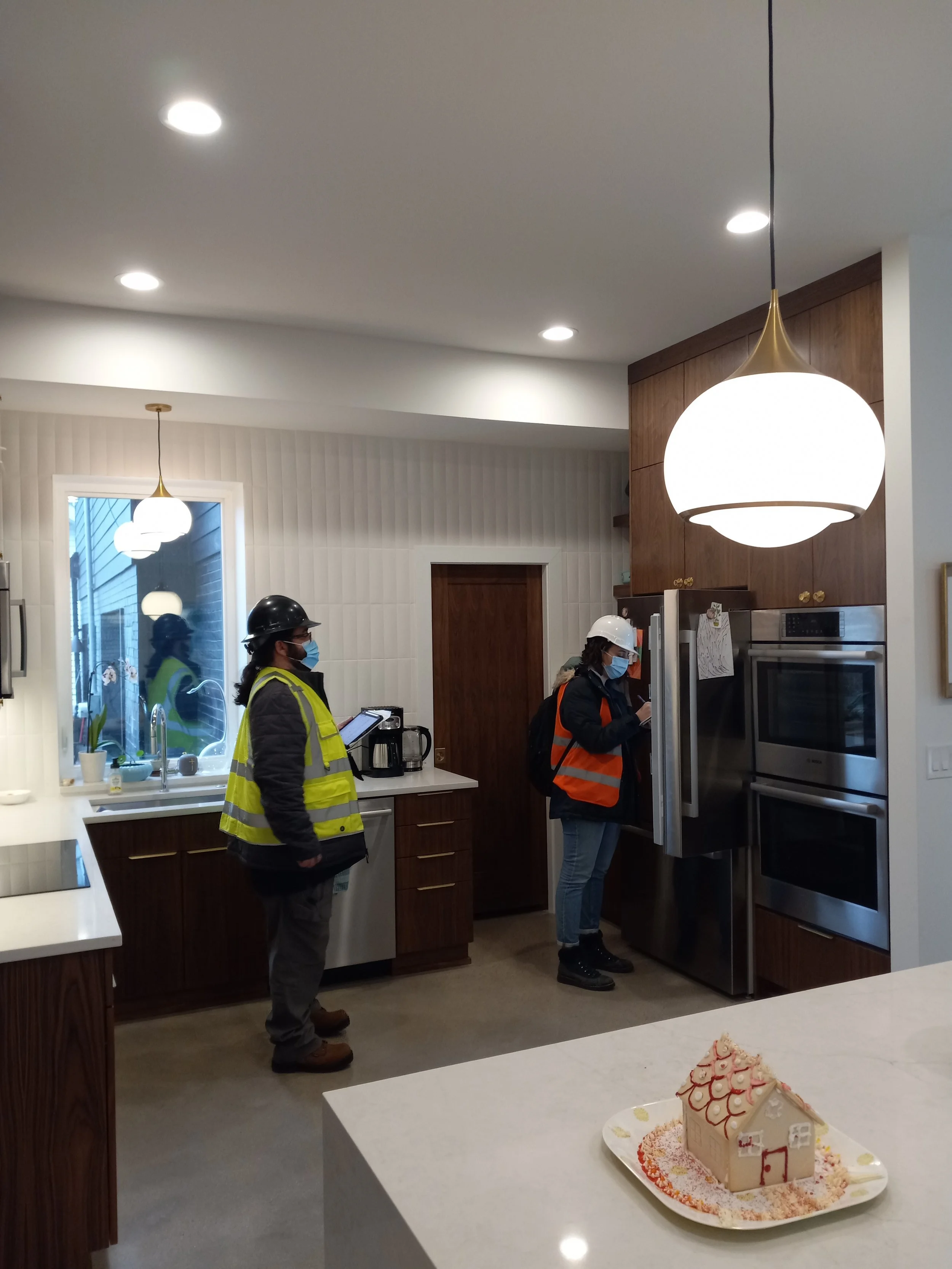
HUSARCH Energy Assessors on-site
The first step would be exploring your local non-profits and utility suppliers (electricity and gas both participate) to learn about which programs you might be eligible for and to start applying. There may even be low hanging fruit such as low income discounts, special hardship grants, or budget billing for Income Eligible properties. Shawn cautions that budget billing does typically rely on an annual reconciliation of the amount paid to actual use which could result in an additional payment to the utility company - this can create an unexpected burden on the monthly budget.
Beyond this, HUSARCH is working with DNV and other partners to develop a number of pilot programs across the country. These are basically beta testing rebate programs for utility companies. We are currently interested in developing accessibility and envelope efficiency strategies and Shawn has interest in exploring how pilot programs could better address income eligible properties with financing and percentage based income.
If you’re looking for a pilot program, reach out to DNV or HUS! We can help find programs that might serve your area.
Call to Action
Talking about these issues is step one. But how can we create change? How can we inspire others to participate in these issues?
Shawn sees the big picture: “we have a societal problem with wealth disparity which is contributing to the poverty problem.” People are hurting. We need to address the systems at its core, which is probably best addressed by getting out the vote.
Mel takes a more targeted approach. She oversees many outreach and engagement programs in her day to day (similar to our Power & Privilege conversation). She points out that utilities are incredibly regulatory driven, and many states have not defined targets on supporting income eligible communities. These regulations can be revised through advocacy and contacting your legislators.
My mind goes to workforce development. Recognizing that there are 20+ year waitlists for public housing agencies, we need to create movement within the systems to help those who are still struggling to find the stability of affordable housing. That’s going to happen through wealth creation and job opportunities. That’s why we are working to connect people to resources that can help them build a career in the Energy Efficiency sphere. Help us spread the word about careers in EE!
Signing off
A big part of our mission is to keep cultivating opportunities for people within the Affordable Housing systems, and advocating for more energy efficiency country-wide. We want to keep the conversation going – add comments below, connect with us on our socials or reach out directly at info@husarch.com to share your ideas or get more information on how we can partner in this cause.
A huge thanks to Shawn and Mel for being champions of these issues, positively shaping our communities. Learn more about them below:
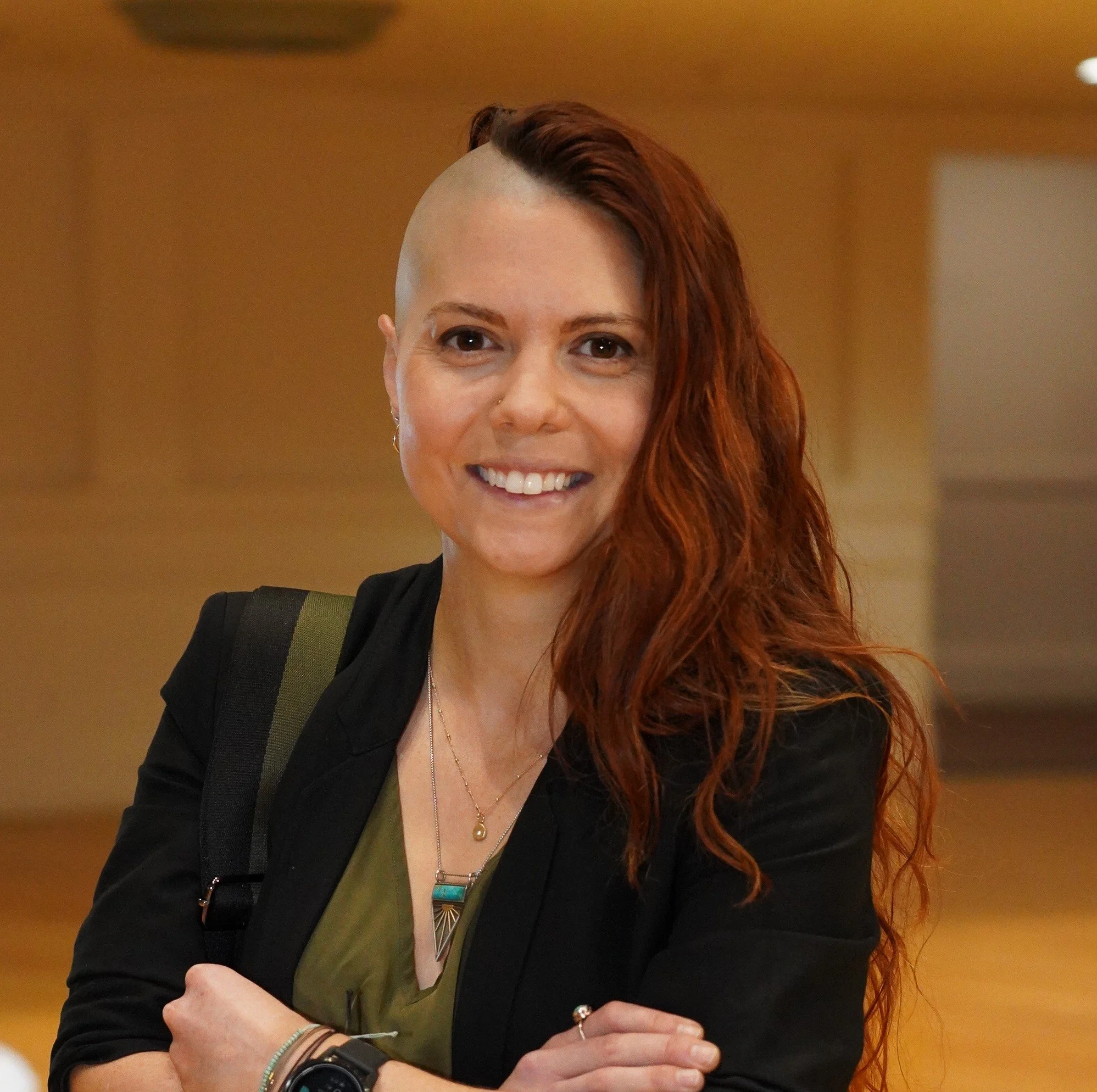
Mel Amoroso-Pohl
Mel Amoroso‑Pohl is a consultant and researcher with over 10 years of experience supporting complex decarbonization, energy transition, and climate resilience projects. She specializes in integrating equity, stakeholder insights, and data‑driven research into program and policy development for state agencies, utilities, and regional collaboratives. Mel brings experience coordinating multidisciplinary teams, organizing research workflows, and supporting client relationships to deliver high‑quality analyses and engagement outcomes. Her work includes qualitative and quantitative data collection, climate and energy vulnerability assessments, and cross‑sector collaboration with community-based organizations, technical partners, and public agencies. Across her portfolio, Mel helps translate technical findings into actionable recommendations that advance equitable and community-centered energy strategies.
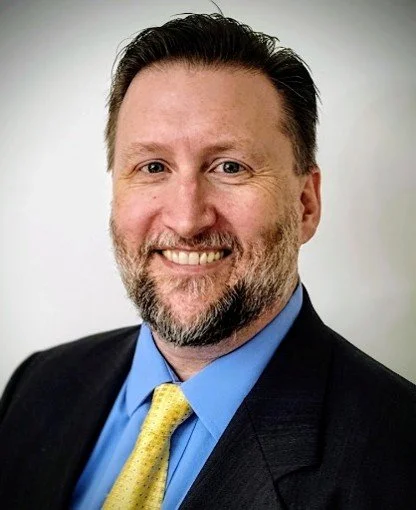
Dr. Shawn Bodmann
Dr. Bodmann helps clients better understand their customers’ needs and experiences—particularly those of disadvantaged customers—to help them tailor their programs to meet customers where they are. He specializes in synthesizing diverse data gathered through a wide range of methods, from in-depth ethnographic interviewing to representative surveying to data science. At DNV, Shawn leads the North America Energy & Climate Equity group, which works to promote a fair and just energy transition in which traditionally marginalized communities have access to economic and environmental benefits. He has 23 years of research experience, including a Ph.D. in Social Psychology from the University of Wisconsin.