
HUSARCH Conversations: Systems of Resilience: Neurodivergence, Leadership, and the Art of Change
by Chyanne Husar
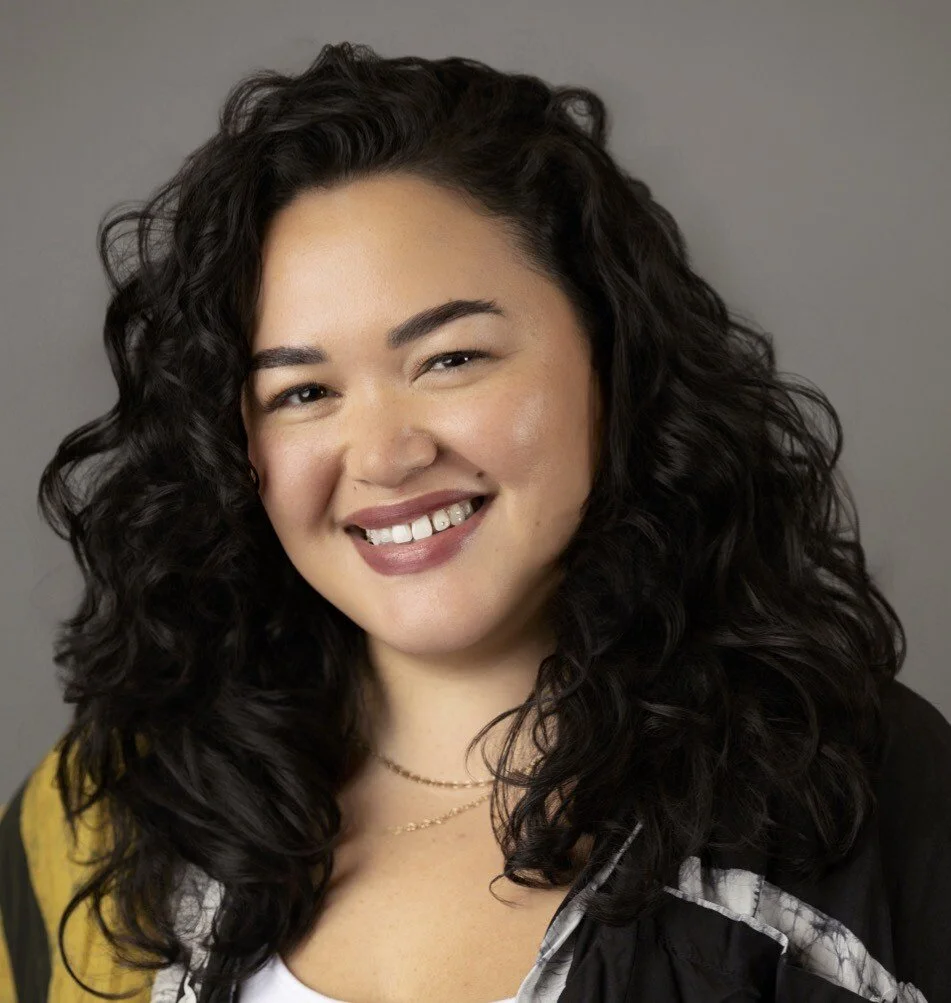
Angie Ostaszewski
Recently, I have been inspired by Angie Ostaszewski, a leader in energy and equity, by her transparency on LinkedIn posts about her experiences working within an office culture with neurodivergence. I strive to set individuals up for success at HUSARCH. I also recognize the way I think often requires translation for my team because my brain is moving so quickly and doesn’t like to be slowed down. In this conversation, Angie and I explore ways our systems thinking, unfiltered facial expressions, and our passions can supercharge our work and how offering context for others can help our collaboration.
The Systems Superpower
Angie shared a perspective that resonated deeply with my own experience. For many neurodivergent individuals, "systems expertise" is born from a place of hypervigilance. When you've conditioned yourself to anticipate five steps ahead to navigate the world, you unwittingly master the factors that cause change. As Angie puts it, if one thing changes over here, you can see how everything else changes across the board.
This "systems speak" is exactly how I’ve built HUSARCH. While some might wonder how our small firm covers so much terrain from architecture to energy efficiency with technical focus in accessibility and enclosure, I see the interrelationship of how knowledge in one area supports and balances the others. That perspective is represented at the organizational level and within our projects.
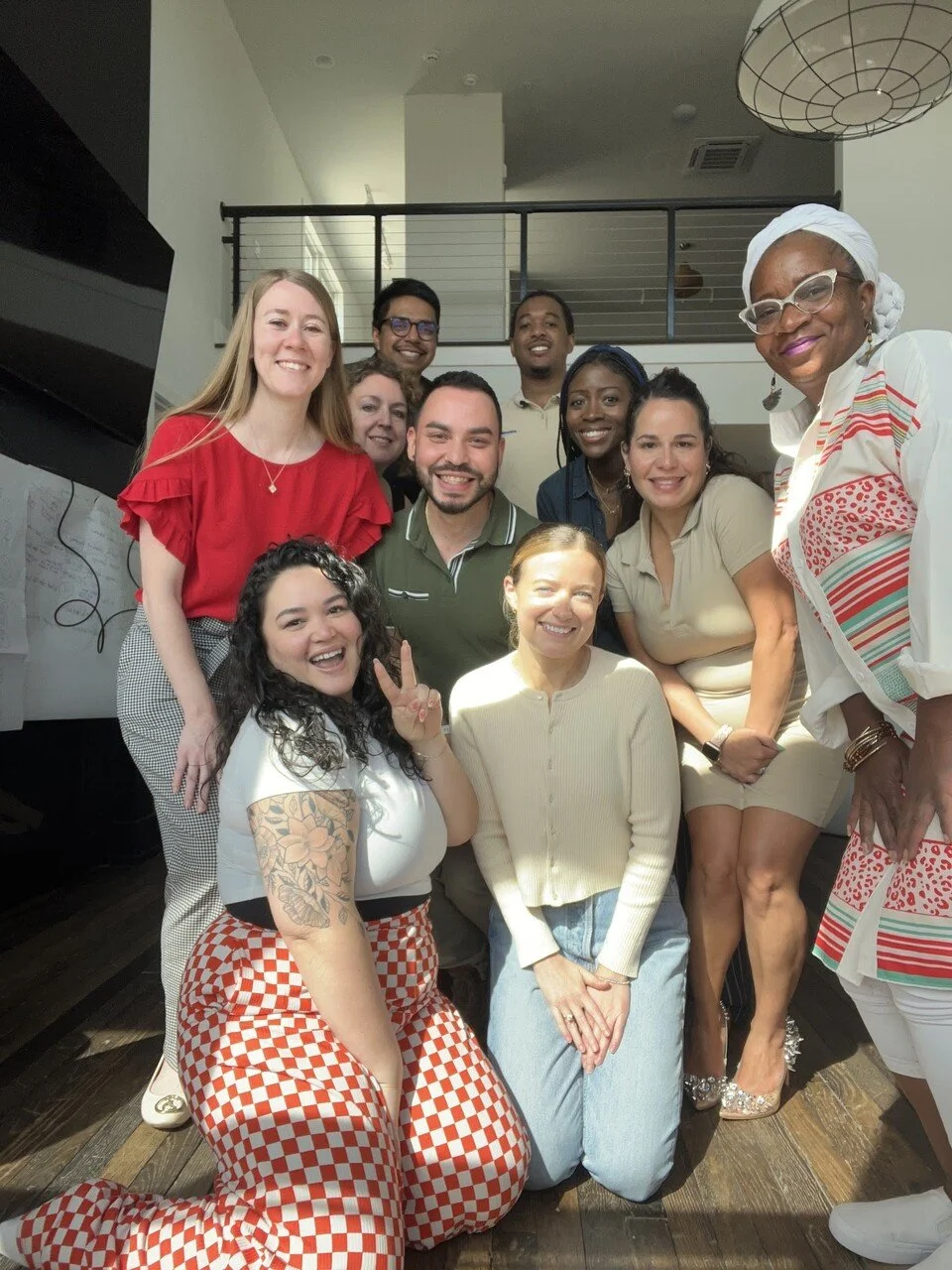
Angie and the team
Context and team building
We both commiserate that we cannot hold a poker face in a meeting - but that doesn’t mean everyone interprets our reactions accurately. “Sometimes I just need time to process new information,” says Angie. I agree, I have been working on on my OCPD (Obsessive Compulsive Personality Disorder) and anxiety which peaks when things are different than I imagined. Oftentimes people might think we’re angry or forcing our vision, but really it can just take a moment to update the mental ‘systems think’ to accommodate for new information.
I typically try to let those around me know ‘this is my thinking face’ while Angie had a bit more developed process for ways she collaborates with her team. On her first day, she announced to her team that she had ADHD and Autism and then discussed one-on-one with her team to identify ways they can best communicate and try to work that relationship on a regular basis.
Angie admits it takes a lot of communication and training to build a strong team. She tries to avoid confirmation bias by looking for patterns, only after she’s seen something 3-4 times will she approach someone to see how they’re struggling. We both agree that working in the moment is more crucial to someone’s development than letting them continue down the wrong path for a number of months.
Some of it comes down to individual strengths. We can often forget that there’s hyper focus among the distractions for ADHD individuals - they can be really great at the big picture without being able to manage the detail - and vice versa. Angie opened up about how her previous team has found enhanced productivity by redistributing work not based on job descriptions but on individual strengths. I find a similar process at HUSARCH, once someone joins the team, I try to identify personal preferences and adapt positions that best align with people’s strengths. We then keep track of this shifting role during our quarterly reviews so they can still see a growth path. While it’s not fool proof, I’ve heard from my team that it helps them feel comfortable at work.
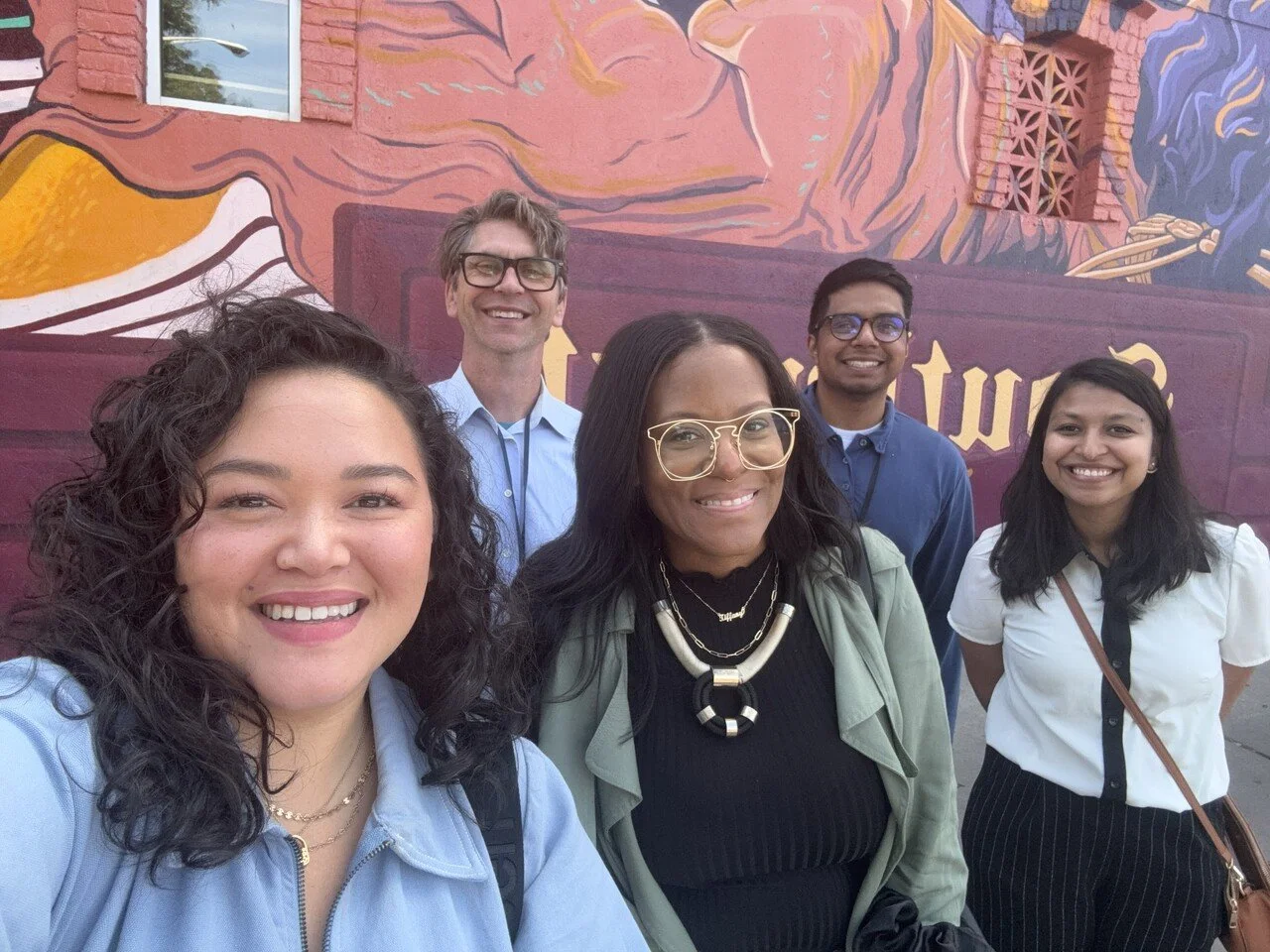
Passion and sharing power
Angie and I both love what we do so much that others get caught up in this thinking. We will say something like ‘we really want your opinion’ but the team might find it difficult to voice their opinions against our enthusiasm. Angie suggests incentives. Everyone has passions of their own - whether it’s public or private praise, financial, or even just the pride of getting the job done. She enjoys systemizing this and tries to consistently foster her team’s joys. I am amazed at Angie’s level of dedication and consideration of those around her - she is the best hype-woman I’ve ever met, and it’s a self-proclaimed love of hers.
For me, the conversation reminds me of the Power + Privilege working group. I want to make sure people feel safe to express themselves. I genuinely believe everyone has an innate power if they could harness it and it is up to those of us in leadership roles to accommodate for our team’s shared power - that is what sets us up for success. I try to demonstrate this available space through transparency and perspective. I work to connect with my team to understand where they might feel roadblocks and help them overcome them.
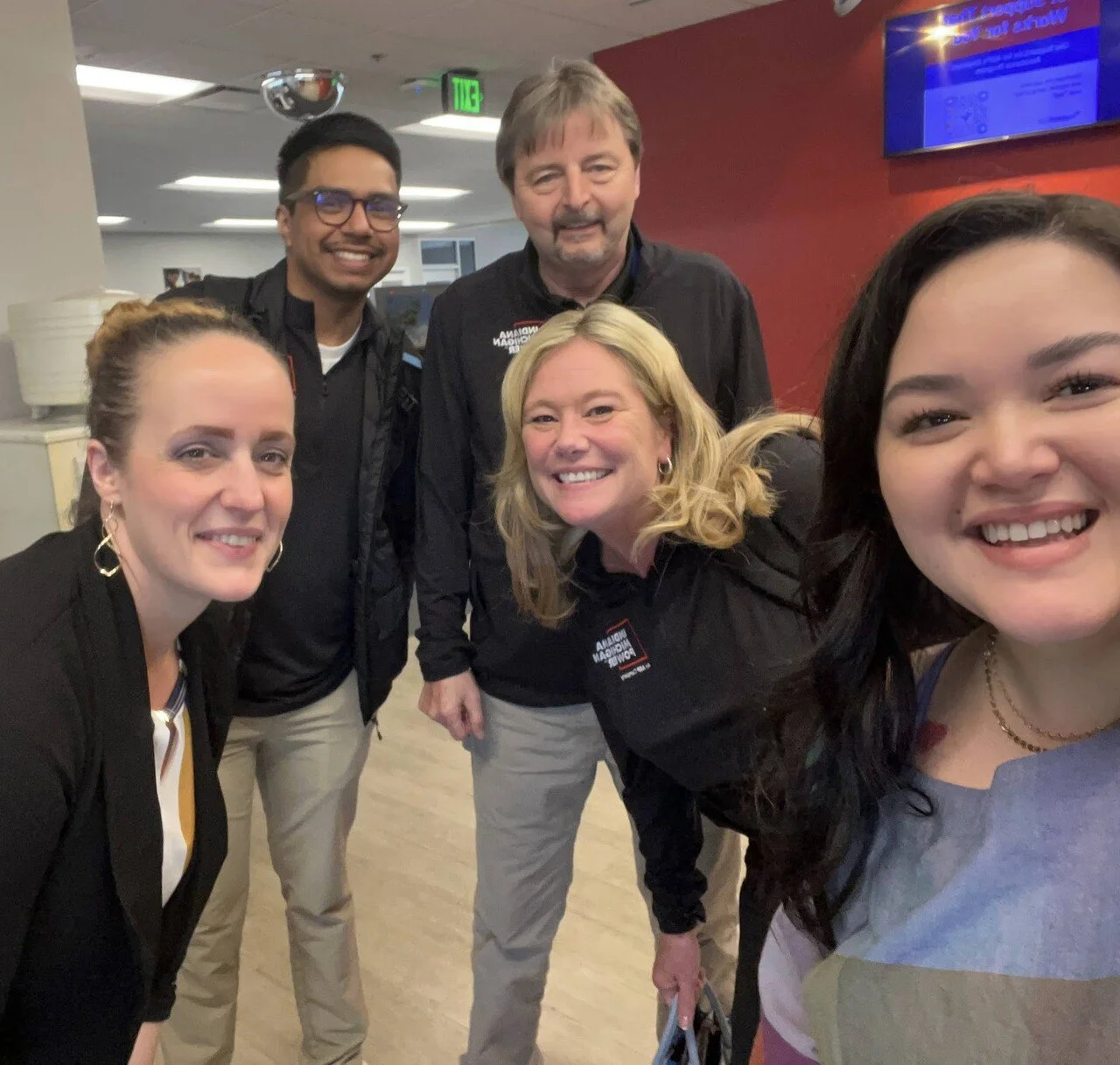
On the flip side, we both are cognizant of how others receive feedback. Angie shares “I know a lot of young people of color especially, who really internalize any negative feedback they get.” We both know the spiral of fear that gets out of hand that starts with I’m not doing it right and leads to I’m going to lose my job or my home and our whole worlds are unstabilized. While it’s helpful for the person in leadership to be empathetic, there's an amount of responsibility on the individual to recognize that this negative feedback is likely your nervous system reacting to something different in your history. Angie recommends learning to make it through that process over and over. I have found tools such as Cognitive Behavioral Therapy help get to the root of the nervous system and let me focus on more than just fear.
Finally, true to our natures, we got distracted with new organizational tools and hobbies. Angie recently discovered a new ADHD planner called Extiles and gave me a tour. The team has strictly informed me no new subscriptions, so I’ll save that one for my personal projects.
Thank you
I truly appreciate Angie’s open and direct nature when sharing both her needs as a neurodivergent individual and her ideas on collaboration. In my experience, many individuals are not comfortable speaking up about their individual needs which then makes it more difficult to share their ideas. I suspect in many cases, many people might not have yet discovered some of their own idiosyncrasies. We are all people, we are all different, and we’re all doing our best to balance the million and more responsibilities on our plate. Sometimes sharing that burden can help us find new ways to lighten the load and bring new efficiencies. Thank you for helping me name that perspective Angie!
We do not practice social science at HUSARCH, but we recognize that collaboration is at the core of every kind of work that we perform. By keeping an open mind, supporting our team, and approaching our clients and partners with empathy and curiosity we hope to find efficiencies and creativity in our solutions and performance. We are always looking for partners like Angie who appreciate and work with this point of view.
Please feel free to contact us to learn more!